
In heavy industry, failures are expensive long before they become catastrophic. A single undetected weld defect inside a refinery pipeline or offshore process line can force emergency shutdowns, delay production schedules, and expose operators to serious safety liabilities. That is why non-destructive testing (NDT) remains deeply embedded in sectors where asset integrity cannot be compromised.
Among the various NDT methods used today, gamma radiography continues to play a critical role, particularly in environments where thick materials, remote locations, or difficult access conditions make other inspection methods less practical.
Yet the conversation around gamma radiography is changing. Operators are under growing pressure to reduce radiation exposure, shorten inspection windows, and modernize aging monitoring systems while still meeting increasingly strict compliance requirements.
Understanding how gamma radiography works is no longer just a technical issue for NDT specialists. It has become part of a broader operational discussion around safety, uptime, and industrial risk management.
Why Gamma Radiography Is Still Widely Used in NDT?
Despite advances in ultrasonic testing and digital inspection technologies, gamma radiography remains one of the most reliable methods for detecting internal flaws in welded structures and pipelines.
The reason is straightforward: gamma rays penetrate dense materials extremely well. In industrial environments where weld thickness, geometry, or surface conditions limit other methods, radiographic testing can still provide clear internal imaging.
This is particularly important during:
refinery shutdown inspections
pipeline construction projects
offshore maintenance campaigns
pressure vessel inspections
nuclear facility maintenance
In many of these cases, inspection teams are working against tight turnaround schedules. Delays are expensive. A refinery outage can cost millions of dollars per day depending on plant size and production volume. Inspection methods that can reliably identify defects without dismantling equipment remain essential.
The Basic Principle Behind Gamma Radiography
Gamma radiography works by directing gamma radiation through a material and capturing the transmitted radiation on film or a digital detector.
The process is conceptually simple:
A radioactive source emits gamma rays.
The radiation passes through the object being inspected.
Dense or defective areas absorb radiation differently.
The resulting image reveals internal discontinuities such as cracks, porosity, slag inclusions, or incomplete weld penetration.
The technique is similar in principle to medical X-rays, though industrial gamma radiography typically uses radioactive isotopes rather than electrically generated X-rays.
Common isotopes include:
Iridium-192
Selenium-75
Cobalt-60
Each source has different penetration capabilities depending on material thickness and inspection requirements.
For thick steel pipelines or pressure vessels, gamma radiography remains highly effective because of its ability to inspect without interrupting structural integrity.
Where Gamma Radiography Is Commonly Used
Refinery Shutdown Inspection
Refinery shutdowns are among the busiest periods for industrial radiography teams. Hundreds or even thousands of welds may need inspection within a narrow maintenance window.
In these environments, gamma radiography is often preferred because it can be deployed rapidly across multiple inspection points.
The challenge is that shutdown environments are crowded and dynamic. Multiple contractors operate simultaneously. Access routes change constantly. Temporary barriers may be moved during maintenance work.
Radiation control becomes more difficult under these conditions. Even experienced teams face operational pressure during turnaround periods. Inspection schedules tighten quickly when shutdown timelines slip, increasing the risk of procedural shortcuts or communication failures.
Offshore Pipeline Inspection
Offshore inspection creates another set of operational realities. Space limitations on offshore platforms make radiation zoning more complicated than onshore sites. There is less flexibility for isolating work areas, and evacuation routes may overlap with active radiography zones.
Weather also affects inspection planning. Delays caused by sea conditions can compress work schedules, leading to longer shifts and higher fatigue levels among inspection crews.
Gamma radiography remains widely used offshore because it is portable and does not require large electrical systems. But maintaining safe exposure boundaries on compact platforms requires strict discipline and reliable radiation monitoring.
Pipeline Construction and Repair
Pipeline radiography is one of the most established applications of gamma-based NDT. Long-distance transmission pipelines often require continuous weld verification during construction. Radiography allows operators to confirm weld integrity before pipelines are placed into service.
The problem is scale. Large pipeline projects may involve thousands of weld inspections across remote areas where environmental conditions are unpredictable.
Inspection teams frequently work at night to reduce operational interference or meet construction schedules. Fatigue, limited visibility, and temporary crews can all increase radiation safety risks.
Nuclear Maintenance Operations
In nuclear facilities, gamma radiography is used during maintenance outages and component inspections where high reliability is required.
These environments present additional complexity because workers may already be operating in elevated radiation backgrounds. Exposure management becomes cumulative.
A maintenance task involving gamma radiography may overlap with activated equipment, contaminated surfaces, or neutron radiation fields. This creates a more demanding monitoring environment than conventional industrial sites.
As a result, nuclear operators increasingly rely on real-time dosimetry and integrated radiation monitoring systems rather than traditional passive approaches alone.
The Safety Challenges Behind Gamma Radiography
Gamma radiography is effective, but it is not without risk.
The radioactive sources used in industrial radiography continue emitting radiation regardless of whether inspection is actively taking place.
This means source control and exposure management are critical at every stage of operation.
Common safety concerns include:
accidental entry into controlled areas
inadequate exclusion zones
source retrieval failures
equipment handling errors
incomplete exposure monitoring
In many incidents, the issue is not a lack of procedures. It is the mismatch between procedures and real field conditions.
Temporary work crews, shutdown pressure, overlapping activities, and aging infrastructure all contribute to increased operational complexity.
The Problem With Aging Radiation Monitoring Equipment
One issue frequently discussed among inspection contractors is the continued use of outdated radiation monitoring devices.
Many older systems still provide only delayed exposure information rather than continuous situational awareness. In practical terms, workers may discover elevated exposure only after leaving the work zone.
Modern inspection environments move quickly. Conditions change during active maintenance work. Real-time visibility has become increasingly important, especially during multi-team shutdown operations or offshore campaigns.
Another concern is equipment reliability. Older dosimeters and survey meters may struggle in mixed radiation environments or fail to integrate with digital exposure tracking systems now expected by major operators.
This creates both operational and compliance challenges.
Compliance Pressure Is Reshaping Inspection Practices
Industrial radiography has always been heavily regulated, but compliance expectations have intensified in recent years.
Oil and gas operators, nuclear facilities, and major EPC contractors are demanding stronger traceability around radiation exposure management.
Audits now focus not only on whether monitoring equipment exists, but whether exposure control is continuous, documented, and actively managed.
This shift is influencing procurement decisions across the inspection sector. Companies are increasingly evaluating radiation monitoring systems based on:
real-time alarm capability
digital exposure logging
portability
multi-radiation detection
integration with broader safety systems
The focus has moved beyond minimum compliance toward operational transparency.
Why Real-Time Monitoring Is Becoming Standard Practice
One noticeable industry trend is the transition from passive radiation monitoring to real-time exposure awareness.
Inspection teams no longer want to review exposure data after the shift ends. They want immediate alerts when conditions change.
This is particularly important in:
refinery turnarounds
offshore inspection campaigns
nuclear outage maintenance
confined-space radiography operations
Companies such as Astral Route are responding to this shift by developing portable radiation detection systems designed for active industrial environments.
Rather than functioning as isolated instruments, modern monitoring systems increasingly support live operational decision-making.
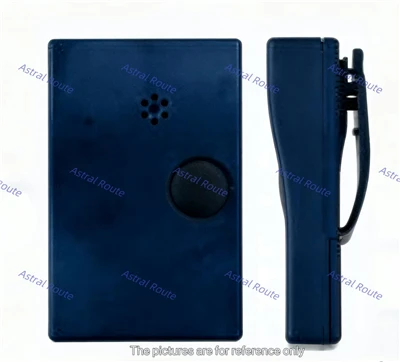
Real-time personal dosimeters, portable neutron and gamma detectors, and surface contamination monitors help teams identify exposure risks early-before they escalate into shutdowns, incidents, or regulatory violations.
For many operators, the value is not simply radiation measurement itself. It is operational continuity.
Industry Perspective: Inspection Efficiency and Radiation Safety Are No Longer Separate Conversations
Historically, inspection productivity and radiation safety were often treated as competing priorities. That mindset is changing.
More operators now recognize that poor exposure management can directly affect project timelines. An unexpected radiation incident can stop work immediately, trigger investigations, and delay critical maintenance activities.
In refinery shutdowns or offshore projects, even a short interruption can have significant financial consequences.
As a result, radiation monitoring is becoming more integrated into operational planning rather than remaining a standalone compliance requirement.
That shift is influencing how inspection teams are equipped, trained, and managed across the industry.
FAQ
What is gamma radiography used for in NDT?
Gamma radiography is primarily used to inspect welds, pipelines, pressure vessels, and structural components for internal defects without damaging the material.
Why is gamma radiography preferred in some industrial environments?
It offers strong penetration capability and portability, making it effective for thick materials and remote inspection locations such as offshore platforms or large pipeline projects.
What are the main radiation risks during gamma radiography?
The primary risks involve unintended exposure from radioactive sources, especially when exclusion zones are poorly controlled or communication breaks down during operations.
Is gamma radiography still widely used despite newer technologies?
Yes. Ultrasonic and digital methods are growing, but gamma radiography remains essential in many applications where geometry, thickness, or field conditions limit alternative techniques.
How are companies improving radiation safety during NDT inspections?
Many operators are adopting real-time dosimetry, portable radiation monitoring systems, and digital exposure tracking to improve visibility and reduce operational risk.
Final Thoughts
Gamma radiography continues to be one of the most practical and trusted inspection methods in industrial NDT. Its ability to reveal internal defects without dismantling infrastructure makes it indispensable across refinery operations, offshore assets, pipeline projects, and nuclear maintenance work.
At the same time, the operational environment around industrial radiography is becoming more demanding. Shorter shutdown windows, stricter compliance expectations, and aging monitoring infrastructure are pushing companies to rethink how radiation safety is managed in the field.
For inspection teams working in high-risk environments, real-time awareness is becoming just as important as inspection accuracy itself.
Astral Route's radiation monitoring solutions are part of this broader shift toward smarter operational safety-helping industrial teams improve exposure visibility while maintaining inspection efficiency in complex working environments.