
Nuclear decommissioning is one of the most demanding phases in the lifecycle of a nuclear facility. Unlike routine plant operation, decommissioning involves dismantling aging structures, removing contaminated equipment, managing radioactive waste, and preparing facilities for long-term remediation or redevelopment.
Every stage presents unique radiation protection challenges. Workers may encounter changing radiation fields, surface contamination, activated materials, and confined working environments where conditions evolve daily. A task that appears routine in the planning phase can become significantly more complex once dismantling begins.
For these reasons, radiation safety is not simply a regulatory obligation during nuclear decommissioning-it is the foundation that allows every other activity to proceed safely and efficiently.
Why Radiation Risks Increase During Decommissioning?
During normal plant operation, radiation sources are generally well understood and contained within established systems.
Decommissioning changes that situation.
As equipment is dismantled and shielding structures are removed, workers may encounter:
Activated metal components
Radioactive piping systems
Contaminated concrete surfaces
Residual radioactive deposits
Unexpected hotspots
Airborne radioactive particles during cutting or demolition
Radiation conditions can change throughout a project, requiring continuous assessment rather than relying on historical survey data.
This dynamic environment makes real-time radiation monitoring essential.
Conduct Comprehensive Radiological Characterization
One of the first steps in any decommissioning project is understanding the radiological condition of the facility.
A detailed characterization survey should identify:
Radiation dose rates
Surface contamination levels
Neutron and gamma radiation sources
Airborne contamination risks
Radioactive waste classifications
Accurate characterization helps project teams:
Develop realistic work plans
Select appropriate protective equipment
Establish controlled work areas
Estimate worker exposure
Incomplete characterization often leads to unexpected delays and increased radiation exposure during dismantling.
Apply the ALARA Principle Throughout the Project
The principle of As Low As Reasonably Achievable (ALARA) remains central to every decommissioning activity.
Rather than treating ALARA as a compliance slogan, successful projects integrate it into daily operations.
Examples include:
Optimizing work sequences before entering controlled areas
Using mock-up training for complex tasks
Reducing unnecessary worker occupancy time
Rotating personnel during higher-dose activities
Installing temporary shielding where practical
Even small improvements in work planning can significantly reduce cumulative occupational dose over lengthy decommissioning projects.
Use Real-Time Personal Dosimetry
Traditional passive dosimeters remain valuable for official dose records, but they do not provide immediate feedback during active work.
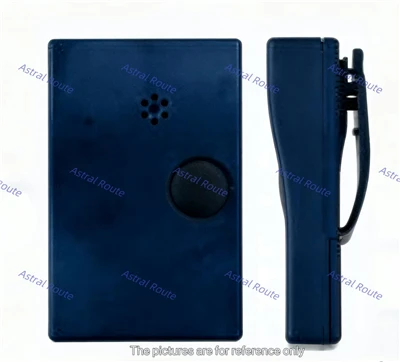
Electronic Personal Dosimeters (EPDs) have become standard equipment for many nuclear decommissioning projects because they provide:
Real-time dose monitoring
Instant dose-rate display
Audible and vibration alarms
Continuous cumulative dose tracking
When radiation conditions change unexpectedly, workers receive immediate notification, allowing them to leave the area or modify work practices before unnecessary exposure occurs.
This capability is particularly important during dismantling operations where radiation fields may change rapidly.
Monitor Both Gamma and Neutron Radiation
Not every radiation environment consists solely of gamma radiation.
Certain reactor components, spent fuel handling activities, and specialized facilities may involve neutron radiation as well.
Because neutron radiation behaves differently and is more difficult to detect than gamma radiation, dedicated neutron monitoring equipment may be required.
Radiation protection programs should evaluate potential neutron exposure during planning and ensure that appropriate monitoring instruments are available where necessary.
Perform Continuous Area Radiation Monitoring
Personal dosimeters monitor individual exposure, but they do not replace area monitoring.
Portable survey meters and fixed radiation monitoring systems help safety personnel:
Verify work area dose rates
Identify radiation hotspots
Monitor changing conditions during dismantling
Confirm safe re-entry after work completion
In larger projects, continuous area monitoring also helps coordinate multiple contractor teams working in adjacent locations.
Control Surface Contamination
Many decommissioning tasks involve contamination rather than high external dose rates.
Activities such as cutting pipes, removing insulation, or dismantling equipment may spread radioactive material if contamination controls are inadequate.
Best practices include:
Routine contamination surveys
Personnel contamination checks
Controlled removal procedures
Protective clothing requirements
Decontamination stations at work area exits
Surface contamination monitors play a key role in preventing radioactive materials from being transferred to clean areas.
Manage Airborne Radioactive Hazards
Mechanical cutting, grinding, and demolition can generate airborne radioactive particles.
Airborne contamination presents additional risks because radioactive materials may be inhaled.
Effective controls include:
Local ventilation systems
Air filtration units
Respiratory protective equipment
Continuous airborne monitoring
Dust suppression techniques where appropriate
Air monitoring should be adjusted as work progresses since contamination levels may change during dismantling.
Strengthen Work Planning and Permit Systems
Radiation exposure is often influenced as much by planning as by radiation levels themselves.
Every decommissioning task should include:
Radiological work permits
Hazard assessments
Dose estimates
Emergency response procedures
Equipment verification
Communication plans
Well-prepared work packages reduce uncertainty and help workers perform tasks more efficiently inside controlled areas.
Ensure Equipment Is Properly Calibrated
Radiation monitoring equipment must provide reliable measurements throughout the project.
Before deployment, organizations should verify:
Calibration certificates are current
Alarm functions operate correctly
Batteries are fully charged
Detector response is verified
Spare equipment is available
Using instruments with expired calibration can compromise both safety and regulatory compliance.
Routine functional testing before each shift also helps identify equipment issues early.
Prepare for Emergency Situations
Although decommissioning projects are carefully planned, unexpected events can occur.
Emergency procedures should address situations such as:
Elevated dose-rate alarms
Discovery of unidentified radioactive material
Contamination spread
Equipment malfunction
Personnel overexposure
Medical emergencies inside controlled areas
Regular emergency drills ensure that both radiation protection personnel and contractors understand their responsibilities if abnormal conditions arise.
Build a Strong Radiation Safety Culture
Technology and procedures alone cannot eliminate radiation risks.
The most successful nuclear decommissioning projects encourage a culture where safety is integrated into every decision.
This includes:
Open reporting of near misses
Daily radiation safety briefings
Continuous refresher training
Encouraging workers to question unsafe conditions
Learning from previous project experience
When workers actively participate in radiation protection, overall project performance improves.
Modern Radiation Monitoring Solutions
As decommissioning projects become larger and more technically demanding, many organizations are upgrading to advanced radiation monitoring systems.
Companies such as Astral Route provide solutions including:
Electronic personal dosimeters
Portable radiation survey meters
Neutron dosimeters
Surface contamination monitors
Tritium monitoring systems for specialized applications
These technologies support accurate radiation assessment, real-time exposure awareness, and compliance with modern nuclear safety requirements.
FAQ
Why is radiation safety more challenging during decommissioning than normal plant operation?
Because dismantling activities change radiation conditions, expose previously shielded components, and increase the potential for contamination and worker exposure.
Why are electronic personal dosimeters widely used?
They provide real-time dose information and alarms, allowing workers to respond immediately to changing radiation conditions.
Is neutron monitoring necessary during every decommissioning project?
Not always. It depends on the facility design and the radioactive materials involved. Some projects require neutron monitoring in addition to gamma monitoring.
How often should radiation surveys be performed?
Radiation surveys should be conducted before work begins, throughout dismantling activities, and whenever work conditions or radiation levels change.
Why is equipment calibration important?
Proper calibration ensures radiation measurements remain accurate, supporting safe decision-making and regulatory compliance.
Final Thoughts
Nuclear decommissioning is a long-term process that requires careful coordination between engineering, operations, and radiation protection teams. As facilities are dismantled and radioactive materials are removed, radiation conditions can change rapidly, making continuous monitoring and disciplined safety practices essential.
By combining thorough planning, real-time personal dosimetry, area radiation monitoring, contamination control, and properly maintained equipment, organizations can significantly reduce occupational exposure while meeting demanding regulatory requirements.
As the global nuclear industry continues to retire aging facilities, adopting modern radiation monitoring technologies and strong safety management practices will remain essential for successful and responsible decommissioning projects.