


In the realm of radiation safety, an Electronic Personal Radiation Dosimeter (EPRD) stands as a crucial tool for radiation workers and those exposed to varying levels of radiation. As a prominent supplier of EPRDs, we understand the significance of accurately determining and understanding the normal reading range of these devices. This knowledge is essential for ensuring the safety and well - being of individuals who rely on EPRDs in their daily work.
The Basics of Electronic Personal Radiation Dosimeters
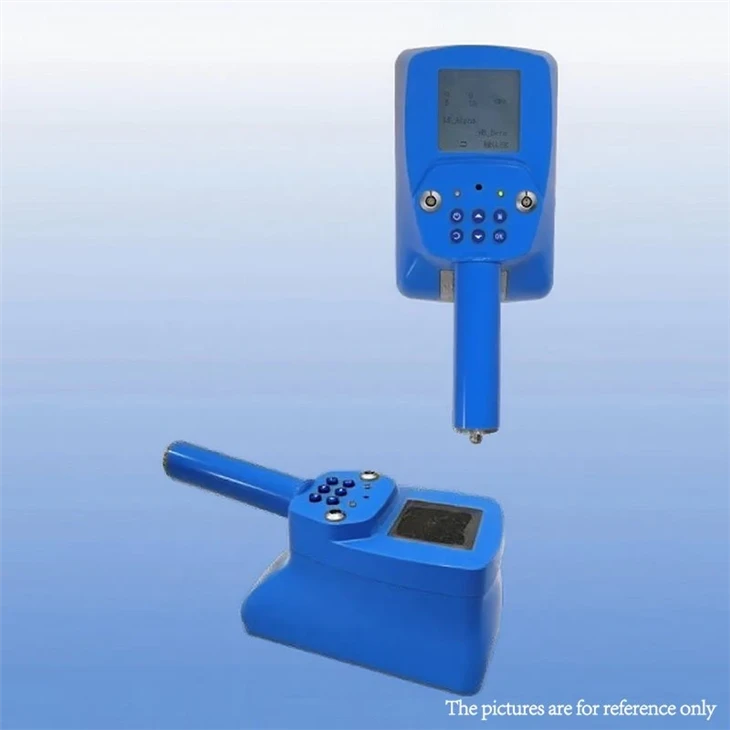
An EPRD is a portable device designed to measure and record the amount of ionizing radiation a person is exposed to. It offers real - time monitoring capabilities and can provide instant feedback on radiation levels. These devices are used in a wide range of industries, including nuclear power plants, medical facilities, radiography services, and environmental monitoring.
EPRDs come equipped with different sensors, such as Geiger - Muller counters, scintillation detectors, or semiconductor detectors, which are sensitive to different types of radiation, including alpha, beta, gamma rays, and X - rays. The type of sensor used in an EPRD can influence its sensitivity and the range of radiation levels it can accurately measure.
Defining the Normal Reading Range
The normal reading range of an EPRD can vary depending on several factors, including the environment in which it is used, the type of radiation present, and the regulatory requirements of the specific industry. In general, the background radiation level on Earth serves as a baseline for understanding normal readings.
On average, the annual background radiation dose for an individual living on Earth is approximately 2.4 millisieverts (mSv) per year. This background radiation comes from various sources, such as cosmic rays from outer space, terrestrial radiation from radioactive elements in the soil and rocks, and internal radiation from radioactive isotopes present in the human body.
For an EPRD, a normal reading in an environment with typical background radiation would be in the range of a few microsieverts per hour (μSv/h). In a typical office or residential environment, the radiation level can range from 0.1 - 0.2 μSv/h. However, in areas with higher natural background radiation, such as regions with elevated levels of radon gas or certain geological formations rich in radioactive materials, the background radiation level can be higher, reaching up to 1 μSv/h or more.
Reading Ranges in Different Industries
Nuclear Power Plants
In nuclear power plants, radiation levels can vary significantly depending on the location within the facility. In areas where the radiation exposure is expected to be relatively low, such as administrative offices or control rooms, the normal reading range for an EPRD might be similar to the background radiation level, around 0.1 - 0.2 μSv/h. However, in areas closer to the reactor core or where radioactive materials are handled, the radiation levels can be much higher. Workers in these areas may experience radiation levels in the range of 10 - 100 μSv/h during normal operations. During maintenance or refueling activities, the radiation levels can spike even higher, and an EPRD may record readings in the range of several hundred μSv/h or more. When handling radioactive materials in nuclear power plants, you can refer to Radiation Monitoring Equipment For Radioactive Material Handling for more information.
Medical Facilities
In medical facilities, EPRDs are used by radiologists, technicians, and other healthcare professionals who are exposed to radiation during diagnostic and therapeutic procedures. In areas where X - ray machines or other radiological equipment are used, the normal reading range can vary depending on the distance from the source of radiation and the shielding in place. In a typical X - ray room, the background radiation level might be around 0.1 - 0.2 μSv/h. However, during an X - ray procedure, the radiation level near the X - ray tube can increase to several μSv/h. For radiation oncologists working with high - energy radiation sources, the EPRD readings can be higher, especially during treatment delivery. To understand radiation monitoring in medical pipeline inspection, you can visit Radiation Monitoring For Pipeline Inspection.

Radiography Services
Radiography services involve the use of X - rays or gamma rays to inspect the internal structure of objects, such as welds in pipelines or aircraft components. Workers in radiography services are exposed to radiation during the operation of the radiography equipment. The normal reading range for an EPRD in this industry can vary depending on the type of radiography equipment used and the safety measures in place. In a well - shielded radiography room, the background radiation level might be similar to the typical background level. However, during the exposure process, the radiation level near the radiation source can reach several tens of μSv/h. To learn how to choose the right radiation dosimeter for this industry, you can refer to How To Choose Radiation Dosimeter.
Environmental Monitoring
In environmental monitoring, EPRDs are used to measure radiation levels in the environment, such as in areas affected by nuclear accidents or in regions with naturally occurring radioactive materials. The normal reading range in environmental monitoring can vary widely depending on the location. In areas with no significant radioactive sources, the EPRD reading will be close to the background radiation level. However, in areas contaminated with radioactive materials, the radiation levels can be much higher. For example, in the vicinity of a nuclear power plant accident site, the EPRD readings can reach several mSv/h or even higher, posing a significant risk to human health. For more on radiation monitoring in controlled areas, see Radiation Monitoring For Controlled Areas.
Importance of Understanding the Normal Reading Range
Understanding the normal reading range of an EPRD is crucial for several reasons. Firstly, it allows radiation workers to quickly identify abnormal radiation levels. If an EPRD reading exceeds the normal range for a particular environment, it could indicate a radiation leak, a malfunction in radiological equipment, or a change in the radiation source. This early detection enables workers to take appropriate safety measures, such as evacuating the area or wearing additional protective equipment.
Secondly, regulatory authorities often set limits on the amount of radiation exposure an individual can receive. By understanding the normal reading range, workers and employers can ensure that they are complying with these regulations. EPRDs can continuously monitor radiation exposure, and accurate knowledge of the normal range helps in determining whether the cumulative radiation dose is within the acceptable limits.
Limitations and Considerations
It's important to note that the normal reading range of an EPRD is not an absolute value. There can be variations in readings due to factors such as the orientation of the device, the energy of the radiation, and the calibration of the dosimeter. Additionally, different models of EPRDs may have slightly different sensitivities and reading ranges. Therefore, regular calibration of the EPRDs is essential to ensure accurate readings.
When conducting radiation monitoring during shutdown maintenance, different scenarios may lead to unique radiation level fluctuations. For more details on this aspect, you can visit Radiation Monitoring During Shutdown Maintenance.
Conclusion: Contact for Quality EPRDs
As a reliable supplier of EPRDs, we are committed to providing high - quality devices that offer accurate and reliable radiation monitoring. Our EPRDs are designed to cover a wide range of normal reading ranges to meet the diverse needs of different industries. Whether you are in the nuclear power, medical, radiography, or environmental monitoring sector, our products can ensure your safety and compliance with radiation safety regulations.
If you are looking to purchase EPRDs for your organization or have any questions regarding the normal reading range of these devices or their applications, we encourage you to reach out to us for a detailed discussion. We are ready to assist you in choosing the right EPRD and providing the necessary technical support to ensure its effective use.
References
- International Atomic Energy Agency (IAEA). "Radiation Safety Standards."
- National Council on Radiation Protection and Measurements (NCRP). "Report on Radiation Exposure and Protection."
- Health Physics Society (HPS). "Guidelines for the Use of Personal Radiation Dosimeters."


