

What is an Electronic Personal Radiation Dosimeter?


Hey there! I'm a supplier of Electronic Personal Radiation Dosimeters, and I'm super stoked to chat with you about these nifty little devices. So, let's dive right in and find out what an Electronic Personal Radiation Dosimeter (EPRD) is all about.
First off, radiation is all around us. It comes from natural sources like the sun, radon gas in the ground, and even from the food we eat. But there are also man - made sources of radiation, such as X - rays in hospitals, nuclear power plants, and industrial applications. While a certain amount of radiation is normal and not harmful, too much exposure can be a real problem. That's where EPRDs come in.
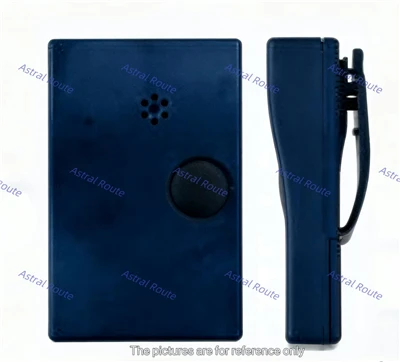
An EPRD is a small, portable device that you can wear on your body, kind of like a pager or a watch. Its main job is to measure the amount of radiation you're exposed to. It gives you real - time information about the radiation dose you're receiving, which is super important for people who work in radiation - prone environments.
How does it work? Well, most EPRDs use semiconductor detectors. These detectors can sense the energy of the radiation particles that hit them. When a radiation particle interacts with the semiconductor material, it creates an electrical signal. The dosimeter then measures this signal and converts it into a radiation dose reading.
There are different types of radiation that an EPRD can detect. The two most common ones are gamma rays and X - rays. Gamma rays are high - energy electromagnetic radiation, and X - rays are also a form of electromagnetic radiation but with slightly lower energy. Some advanced EPRDs can even detect neutrons, which are subatomic particles. For example, our Advanced Personal Neutron & Gamma Dosimeter is capable of detecting both neutrons and gamma rays, providing a more comprehensive radiation measurement.
The benefits of using an EPRD are numerous. For workers in industries like nuclear power, radiology, and mining, it's a crucial safety tool. It allows them to keep track of their radiation exposure and make sure they don't exceed the safe limits set by regulatory bodies. If the dosimeter detects that the radiation dose is getting too high, it can give an alarm, either an audible beep or a vibration. This alerts the worker to take immediate action, like leaving the area or putting on additional protective gear.
Another great thing about EPRDs is that they're really easy to use. You just clip it onto your clothing or wear it on your wrist, and it starts working right away. You can also view the radiation dose readings on a small display. Some dosimeters can even be connected to a computer or a smartphone via Bluetooth or USB. This allows you to transfer the data and analyze it more easily.
Now, let's talk about some of the features you might want to look for in an EPRD. One important feature is accuracy. You want a dosimeter that can give you reliable and precise radiation dose readings. Our Real - Time Electronic Personal Radiation Dosimeter is designed with high - precision sensors to ensure accurate measurements.
Battery life is also a big deal. You don't want your dosimeter to run out of power in the middle of a work shift. Look for a dosimeter with a long - lasting battery. Some of our models can last for several days or even weeks on a single charge.
Durability is another key factor. Workers in radiation - prone environments often have to work in tough conditions. The dosimeter should be able to withstand bumps, drops, and exposure to dust and moisture. Our EPRDs are built to be rugged and reliable, so they can handle the rigors of real - world use.
In addition to personal use, EPRDs can also be used in environmental monitoring. For example, they can be placed in areas where there might be a risk of radioactive contamination, like near a nuclear power plant or a radioactive waste disposal site. These dosimeters can continuously monitor the radiation levels and send the data to a central monitoring station.
We also offer a Radioactive Surface Contamination Detection System. This system is used to detect radioactive contamination on surfaces. It can be very useful in industries where there's a risk of radioactive materials getting onto equipment or floors.
If you're in the market for an EPRD, or if you have any questions about radiation detection in general, don't hesitate to reach out. Whether you're a small business looking to protect your workers or a large organization in need of a comprehensive radiation monitoring solution, we've got you covered. We can help you choose the right dosimeter for your specific needs and provide you with all the support you need.
So, if you're interested in learning more or want to start a conversation about purchasing our products, just drop us a line. We're here to make sure you get the best radiation detection equipment and the best service possible.
References
- "Radiation Detection and Measurement" by Glenn F. Knoll
- "Nuclear Radiation Detection" by Richard D. Evans