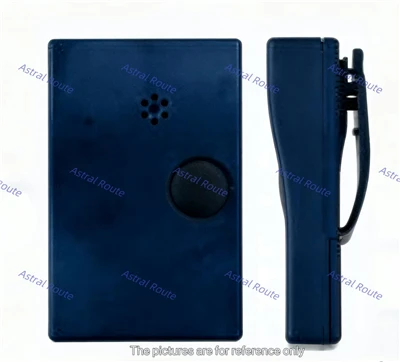


Hey there! As a supplier of Surface Radiation Contamination Monitors, I've seen my fair share of issues with these devices. Troubleshooting them can be a real pain, but with the right approach, you can get them up and running in no time. In this blog post, I'll share some tips on how to troubleshoot a Surface Radiation Contamination Monitor.
Understanding the Basics
Before we dive into troubleshooting, let's quickly go over how a Surface Radiation Contamination Monitor works. These monitors are designed to detect and measure radiation levels on surfaces. They use sensors to detect different types of radiation, such as alpha, beta, and gamma rays. The monitor then displays the radiation levels on a screen or sends the data to a computer for further analysis.
Common Issues and Solutions
1. No Power
One of the most common issues with Surface Radiation Contamination Monitors is no power. If your monitor isn't turning on, the first thing you should check is the power source. Make sure the monitor is plugged in properly and that the power switch is turned on. If the monitor is battery-powered, check the batteries to see if they need to be replaced.
If the power source is working fine, but the monitor still isn't turning on, there could be a problem with the internal power supply. In this case, you'll need to contact the manufacturer or a professional technician for further assistance.
2. Inaccurate Readings
Another common issue is inaccurate readings. If your monitor is giving you readings that seem too high or too low, there could be several reasons for this. First, make sure the monitor is calibrated correctly. Most monitors need to be calibrated regularly to ensure accurate readings. Refer to the manufacturer's instructions for how to calibrate your monitor.
If the monitor is calibrated correctly, but you're still getting inaccurate readings, there could be a problem with the sensors. The sensors may be dirty or damaged, which can affect their ability to detect radiation. In this case, you'll need to clean or replace the sensors.
3. Display Issues
Sometimes, the display on the monitor may not be working properly. This could be due to a loose connection, a damaged display, or a software issue. If the display is blank or flickering, check the connections between the monitor and the power source and the display. Make sure all the cables are plugged in securely.


If the connections are fine, but the display is still not working, there could be a problem with the display itself. In this case, you'll need to contact the manufacturer or a professional technician for further assistance.
4. Software Issues
Software issues can also cause problems with Surface Radiation Contamination Monitors. If the monitor is freezing, crashing, or not responding to commands, there could be a problem with the software. Try restarting the monitor to see if that fixes the issue. If the problem persists, you may need to update the software.
Most monitors have a built-in software update feature. Refer to the manufacturer's instructions for how to update the software on your monitor. If you're still having problems after updating the software, you'll need to contact the manufacturer or a professional technician for further assistance.
Advanced Troubleshooting
If you've tried the basic troubleshooting steps and you're still having problems with your Surface Radiation Contamination Monitor, there are a few advanced troubleshooting steps you can try.
1. Check the Environmental Conditions
The environmental conditions can affect the performance of the monitor. Make sure the monitor is operating in a clean, dry, and well-ventilated area. Avoid exposing the monitor to extreme temperatures, humidity, or dust.
If the monitor is located in an area with high levels of electromagnetic interference (EMI), this can also affect its performance. Try moving the monitor to a different location or using an EMI shield to reduce the interference.
2. Test the Monitor with a Known Source
If you're still not sure if the monitor is working properly, you can test it with a known source of radiation. You can use a radioactive source that is approved by the regulatory authorities. Make sure you follow all the safety procedures when handling the radioactive source.
Place the radioactive source near the monitor and check the readings. If the monitor is working properly, it should detect the radiation and display the correct readings. If the monitor is not detecting the radiation or is giving inaccurate readings, there could be a problem with the monitor.
3. Contact the Manufacturer or a Professional Technician
If you've tried all the troubleshooting steps and you're still having problems with your Surface Radiation Contamination Monitor, it's time to contact the manufacturer or a professional technician. The manufacturer can provide you with technical support and assistance. They may also be able to repair or replace the monitor if it's defective.
A professional technician can also diagnose and repair the monitor. They have the expertise and tools to identify and fix the problem. Make sure you choose a technician who is qualified and experienced in working with Surface Radiation Contamination Monitors.
Related Products
If you're in the market for other radiation monitoring products, we also offer a range of high-quality devices. Check out our Real-Time Tritium Leak & Airborne Contamination Monitor, Advanced Personal Neutron & Gamma Dosimeter, and Real-Time Electronic Personal Radiation Dosimeter. These products are designed to provide accurate and reliable radiation monitoring in various environments.
Conclusion
Troubleshooting a Surface Radiation Contamination Monitor can be a challenging task, but with the right approach, you can get it up and running in no time. By understanding the basics, identifying common issues, and using the right troubleshooting techniques, you can ensure that your monitor is working properly and providing accurate readings.
If you have any questions or need further assistance with troubleshooting your Surface Radiation Contamination Monitor, don't hesitate to contact us. We're here to help you keep your workplace safe and radiation-free. Whether you're looking to purchase a new monitor or need support with an existing one, we're ready to assist with your procurement and technical needs.
References
- Manufacturer's Manuals for Surface Radiation Contamination Monitors
- Industry Standards for Radiation Monitoring and Safety