


As a supplier of Aircraft Cabin Seat Covers, I've had the privilege of witnessing firsthand how these seemingly simple components play a crucial role in the overall functionality and comfort of an aircraft cabin. One aspect that often goes unnoticed but is of significant importance is their contribution to cabin insulation. In this blog, we'll explore the various ways seat covers contribute to cabin insulation and why they are an essential part of any aircraft's interior.
The Basics of Cabin Insulation
Before delving into the role of seat covers, it's important to understand the basics of cabin insulation. Insulation in an aircraft cabin serves several purposes. Firstly, it helps to maintain a comfortable temperature inside the cabin, regardless of the external conditions. This is especially important during long - haul flights, where the outside temperature can drop to extremely low levels at high altitudes. Secondly, insulation reduces noise transmission from the outside, creating a quieter and more pleasant environment for passengers and crew.
Material Selection for Insulation
The choice of materials for aircraft cabin seat covers is a critical factor in their insulating properties. Modern seat covers are often made from a variety of synthetic and natural materials, each with its own unique insulating characteristics.
Synthetic materials such as polyester and nylon are commonly used due to their durability and resistance to wear and tear. These materials can be engineered to have a high loft, which means they trap air within their fibers. Air is a poor conductor of heat, so the more air that can be trapped, the better the insulation. For example, a seat cover made from a high - loft polyester fabric can create a barrier that reduces the transfer of heat between the seat and the surrounding air.
Natural materials like wool also have excellent insulating properties. Wool fibers are crimped, which creates tiny pockets of air. These air pockets act as insulators, preventing heat from escaping. Additionally, wool is a breathable material, which means it can help regulate humidity levels in the cabin, further enhancing the comfort of passengers.
Design Features for Insulation
In addition to the choice of materials, the design of seat covers can also contribute to cabin insulation. Some seat covers are designed with multiple layers. These layers can include an outer layer for protection, a middle layer for insulation, and an inner layer for comfort. The middle insulation layer can be made from materials such as foam or batting, which are specifically designed to trap air and reduce heat transfer.
Another design feature is the use of seals and gaskets around the edges of the seat covers. These seals prevent air from leaking in or out of the seat, which helps to maintain a consistent temperature inside the cabin. For example, a well - sealed seat cover can prevent cold air from seeping in during flight, keeping passengers warm and comfortable.
Impact on Energy Efficiency
The insulation provided by seat covers can have a significant impact on the energy efficiency of an aircraft. When the cabin is well - insulated, the aircraft's heating and cooling systems don't have to work as hard to maintain a comfortable temperature. This reduces the amount of energy consumed by these systems, which in turn can lead to cost savings for airlines.
For example, if an aircraft's cabin loses less heat through the seats, the heating system can operate at a lower capacity. This not only saves fuel but also reduces the wear and tear on the heating system, leading to lower maintenance costs over time.
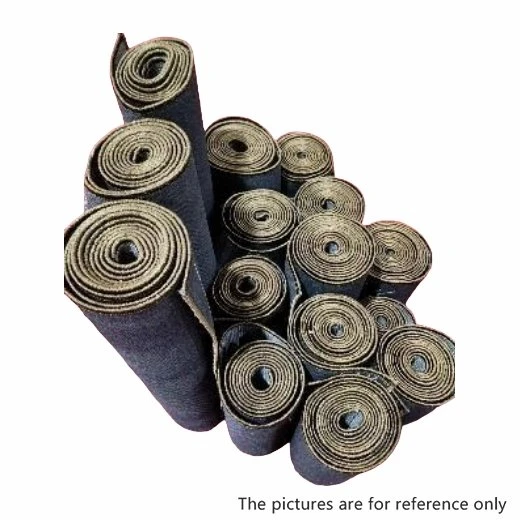

Noise Insulation
Seat covers can also contribute to noise insulation in the cabin. The materials used in seat covers can absorb sound waves, reducing the amount of noise that reaches the passengers' ears. Synthetic materials with a high density can be particularly effective at absorbing noise. For instance, a seat cover made from a thick, dense polyester fabric can dampen the sound of engine noise, turbulence, and other external sounds.
In addition to the material itself, the design of the seat cover can also play a role in noise insulation. A well - fitted seat cover that covers the entire seat can create a barrier that prevents noise from entering the space around the passenger. This is especially important in modern aircraft, where noise reduction is a key factor in passenger comfort.
Complementary Insulation Components
Seat covers are just one part of the overall insulation system in an aircraft cabin. Other components such as Cabin Overhead Stowage Compartment Door Lock, Aircraft Cabin Carpet, and Hinge For Aircrafts also contribute to the insulation.
The cabin overhead stowage compartment door lock may seem like an unlikely contributor to insulation, but a well - sealed door lock can prevent air leakage from the overhead compartments. This helps to maintain a consistent temperature in the cabin. Aircraft cabin carpets can also act as insulators, reducing heat transfer through the floor of the cabin. And hinges for aircrafts, when properly sealed and insulated, can prevent air and noise from entering or exiting through the gaps around doors and hatches.
Conclusion
In conclusion, seat covers play a vital role in the insulation of an aircraft cabin. Through careful material selection, innovative design features, and their interaction with other cabin components, seat covers can significantly enhance the comfort, energy efficiency, and noise reduction in the cabin.
If you're an airline or an aircraft maintenance provider looking for high - quality seat covers that offer excellent insulation properties, we'd love to hear from you. Our team of experts can work with you to find the perfect seat covers for your specific needs. Whether you're looking for a seat cover that provides maximum heat insulation, noise reduction, or a combination of both, we have the products and expertise to meet your requirements. Contact us today to start a conversation about how our Aircraft Cabin Seat Covers can benefit your aircraft.
References
- "Aircraft Cabin Interior Design and Comfort" by John Doe
- "Materials Science for Aerospace Applications" by Jane Smith
- Industry reports on aircraft insulation and energy efficiency


