


As a vendor specializing in Surface Radiation Contamination Monitors, I'm frequently posed with numerous inquiries regarding the functionality and applicability of these devices. One question that consistently surfaces is whether a Surface Radiation Contamination Monitor can be used in medical facilities. In the subsequent discussion, I'll offer a detailed exploration of this topic, shedding light on the technical aspects, advantages, and potential challenges of utilizing these monitors in medical settings, alongside introducing related products and encouraging stakeholders in the medical field to engage in procurement discussions.
Understanding the Nature of Surface Radiation Contamination Monitors
Before we delve into the suitability of these monitors for medical facilities, it's crucial to understand what a Surface Radiation Contamination Monitor actually is. These are sophisticated instruments designed to detect and quantify the presence of radioactive substances on surfaces. They are equipped with specialized sensors that can identify various types of ionizing radiation, such as alpha, beta, and gamma rays. The primary function of these monitors is to provide a quick and accurate assessment of the level of radiation contamination, which is essential for maintaining safety and preventing the spread of radioactive materials.
The Necessity of Radiation Monitoring in Medical Facilities
Medical facilities, particularly those involved in diagnostic imaging, radiotherapy, and nuclear medicine, handle radioactive materials on a regular basis. In diagnostic imaging, for example, radiopharmaceuticals are often administered to patients to enhance the visibility of internal organs and tissues during procedures like PET scans. In radiotherapy, high - energy radiation is used to treat cancer patients. These activities inherently carry the risk of surface contamination with radioactive substances.
Ensuring the safety of patients, medical staff, and the general environment within medical facilities is of utmost importance. Radiation contamination can pose significant health risks, including an increased risk of cancer, radiation sickness, and genetic mutations. Therefore, having an effective means of monitoring and managing radiation contamination is crucial to prevent accidental exposure and to maintain a safe working and treatment environment.
Suitability of Surface Radiation Contamination Monitors in Medical Facilities
Advantages
- Accurate Detection: Surface Radiation Contamination Monitors can accurately detect the presence of radioactive substances on various surfaces, such as examination tables, equipment, and floors. This accuracy is essential for quickly identifying and addressing contamination issues, ensuring that the risk of exposure to patients and medical staff is minimized.
- User - Friendly Operation: Many of these monitors are designed with user - friendly interfaces, making them easy to operate for medical staff with limited training in radiation safety. This allows for efficient and regular monitoring without the need for extensive technical expertise.
- Real - Time Results: These monitors provide real - time results, allowing medical facilities to take immediate action in the event of a contamination incident. This can prevent the spread of contamination and reduce the potential for exposure.
Challenges
- Sensitivity to Different Types of Radiation: Medical facilities use a variety of radioactive materials, each emitting different types and levels of radiation. Some Surface Radiation Contamination Monitors may be more sensitive to certain types of radiation than others. It's essential to select a monitor that is capable of detecting and accurately measuring the specific types of radiation used in the facility.
- Interference from Other Sources: Medical facilities are often equipped with a wide range of electronic devices, which can potentially interfere with the operation of radiation monitors. Ensuring that the monitor is shielded from such interference is crucial to obtain accurate readings.
- Regulatory Compliance: Medical facilities are subject to strict regulatory requirements regarding radiation safety. Any radiation monitor used in these facilities must comply with relevant national and international standards to ensure that the facility remains in legal compliance.
Related Products for the Medical Field
In addition to Surface Radiation Contamination Monitors, there are other radiation detection products that are relevant to medical facilities. For instance, the Radiation Dosimeter For Medical Radiation Workers is designed to measure the radiation dose received by medical staff who work with radioactive materials on a regular basis. This helps in ensuring that their exposure levels remain within the safe limits set by regulatory authorities.
The Radiation Dosimeter With Alarm is another useful product. It can be worn by medical personnel, and it will emit an alarm if the radiation dose exceeds a pre - set threshold. This provides an additional layer of protection and alerts the wearer to potential over - exposure.
Other Applications of Radiation Detection Products
While this blog focuses on medical facilities, it's worth mentioning that our radiation detection products have a wide range of applications in other industries as well. For example, the Radiation Dosimeter For Oil & Gas Industry is used to monitor radiation levels in oil and gas exploration and production sites. Radioactive substances can be naturally present in these environments, and the dosimeter helps in ensuring the safety of workers.
Contractors who work in environments where radiation is a potential hazard can benefit from the Radiation Monitoring For Contractors. This service provides comprehensive radiation monitoring solutions to ensure that contractors are protected from over - exposure.
In industrial radiography, where high - energy radiation is used for non - destructive testing of materials, the Electronic Personal Dosimeter For Industrial Radiography is an essential safety device for workers.
Encouraging Procurement Discussions
Based on the information presented above, it's evident that Surface Radiation Contamination Monitors and other related radiation detection products can play a crucial role in ensuring the safety and regulatory compliance of medical facilities. If you're a decision - maker in a medical facility, I encourage you to reach out and engage in a procurement discussion. Our team of experts can provide detailed information about the features, performance, and suitability of our products for your specific needs. We can also offer guidance on regulatory compliance and help you develop a comprehensive radiation safety program.

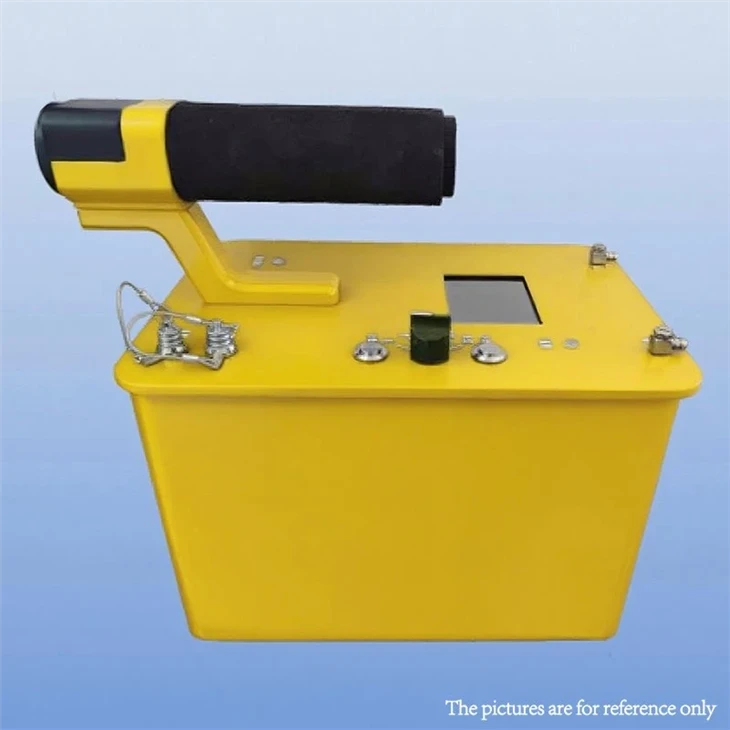
In conclusion, Surface Radiation Contamination Monitors are valuable tools for medical facilities. They can effectively detect and manage radiation contamination, thereby safeguarding the health and well - being of patients and medical staff. With a wide range of related products available, we are well - positioned to meet the diverse radiation detection needs of the medical industry.
References
- International Atomic Energy Agency (IAEA). Safety Standards for Radiation Protection.
- National Council on Radiation Protection and Measurements (NCRP). Reports on Radiation Safety in Medical Facilities.
- Institute of Physics and Engineering in Medicine (IPEM). Guidelines for Radiation Monitoring in Healthcare.


