


Hey there! As a supplier of radiation dosimeters, I've been getting a lot of questions lately about whether these nifty devices can be affected by environmental factors. Well, let's dive right in and explore this topic.
First off, let's understand what a radiation dosimeter is. For those who are new to this, a radiation dosimeter is a device that measures the dose of ionizing radiation that a person or an area has been exposed to. It's super important in a bunch of different fields, like healthcare, industry, and environmental monitoring.
Now, to answer the big question: yes, a radiation dosimeter can definitely be affected by environmental factors. Let's break down some of these factors one by one.
Temperature
Temperature is one of the most significant environmental factors that can impact a radiation dosimeter. Extreme high or low temperatures can cause changes in the physical properties of the dosimeter's components. For example, in very high temperatures, the materials inside the dosimeter might expand. This expansion can affect the accuracy of the sensors that detect radiation. On the other hand, extremely low temperatures can make the materials contract, also leading to inaccurate readings.
Let's say you're using a dosimeter in a hot industrial environment, like a nuclear power plant where the temperature can soar. The dosimeter might start to give readings that are either higher or lower than the actual radiation dose. This is a huge problem because it can lead to incorrect safety assessments. Workers might be exposed to more radiation than they think, or they might be overly cautious and waste time and resources.
Humidity
Humidity is another major player. High humidity levels mean there's a lot of moisture in the air. This moisture can seep into the dosimeter, causing corrosion of its internal parts. Corrosion can damage the electronic circuits and sensors, which are responsible for detecting and measuring radiation.
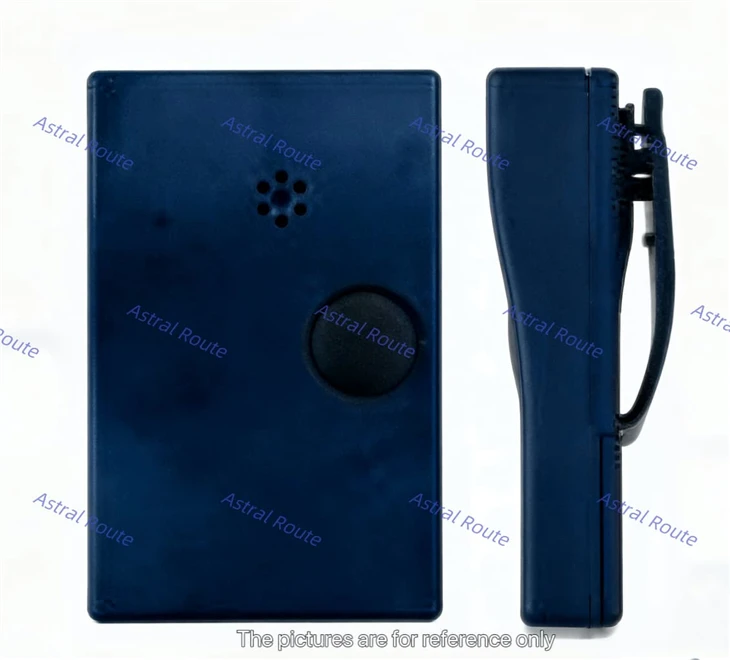

Imagine a workplace near the coast, where the air is always damp. If a radiation dosimeter is used in such an environment without proper protection, the humidity can gradually degrade its performance. The dosimeter might start to malfunction, giving erratic or inaccurate readings. This is a real headache for anyone relying on the dosimeter to ensure their safety.
Pressure
Pressure changes can also have an impact on radiation dosimeters. In environments where there are significant pressure variations, like in high - altitude areas or deep - sea operations, the dosimeter's performance can be affected. The pressure can compress or expand the dosimeter's internal components.
For instance, if you're using a dosimeter in an aircraft flying at high altitudes, the low pressure can cause the gas inside some types of dosimeters to expand. This expansion can change the way the dosimeter detects radiation, leading to inaccurate results. Similarly, in deep - sea applications, the high pressure can compress the components, potentially damaging them and affecting the accuracy of the readings.
Electromagnetic Fields
Electromagnetic fields (EMFs) are all around us, especially in modern industrial and urban environments. These fields can interfere with the electronic signals in a radiation dosimeter. Strong EMFs can cause false readings or even disrupt the normal operation of the dosimeter.
Think about a dosimeter being used near large electrical transformers or in a building filled with high - powered electronic equipment. The EMF generated by these sources can create noise in the dosimeter's sensors, making it difficult to accurately measure the radiation dose.
Chemical Exposure
Exposure to certain chemicals can also harm a radiation dosimeter. Chemicals like acids, bases, and solvents can corrode the dosimeter's outer casing and internal components. This corrosion can not only damage the physical structure of the dosimeter but also affect the performance of its sensors.
In a chemical manufacturing plant, for example, if a dosimeter comes into contact with corrosive chemicals, it might stop working properly. This is a serious issue because in such an environment, radiation safety is crucial, and an inaccurate dosimeter can put workers at risk.
So, what can be done to minimize the impact of these environmental factors? Well, as a radiation dosimeter supplier, we offer a range of solutions.
First, we have dosimeters that are designed to be more resistant to environmental factors. For example, some of our dosimeters have special coatings that protect them from moisture and corrosion. These coatings act as a barrier, preventing water and chemicals from reaching the internal components.
Second, we provide guidelines on proper usage and maintenance. We recommend that users store the dosimeters in a controlled environment when not in use. This helps to prevent long - term damage from temperature, humidity, and other factors.
Third, regular calibration is essential. Calibrating the dosimeters at regular intervals ensures that they are providing accurate readings, even if they have been exposed to environmental stress.
Now, let's talk about some of the products we offer. If you're in the market for a radiation dosimeter, we have a variety of options to suit different needs.
Our Radioactive Surface Contamination Detection System is great for detecting radioactive contamination on surfaces. It's highly sensitive and can provide accurate readings in various environmental conditions.
If you're not sure how to choose the right radiation dosimeter, check out our How To Choose Radiation Dosimeter guide. It will walk you through the different factors to consider, like the type of radiation you need to detect and the environmental conditions in which the dosimeter will be used.
For medical radiation workers, we have the Radiation Dosimeter For Medical Radiation Workers. This dosimeter is specifically designed to meet the unique needs of the medical field, providing accurate and reliable radiation measurements.
In the industrial inspection sector, our Radiation Safety Equipment For Industrial Inspection is a must - have. It can withstand the tough environmental conditions often found in industrial settings.
And for those who need to monitor tritium leaks and airborne contamination in real - time, our Real - Time Tritium Leak & Airborne Contamination Monitor is the perfect solution.
If you're interested in any of our products or have more questions about radiation dosimeters and how they can be affected by environmental factors, don't hesitate to reach out. We're here to help you make the right choice and ensure your safety when it comes to radiation monitoring. Whether you're a small business or a large corporation, we have the expertise and products to meet your needs. So, let's start a conversation and see how we can work together to keep you safe from radiation hazards.
References
- Knoll, Glenn F. Radiation Detection and Measurement. John Wiley & Sons, 2010.
- Attix, Frank H. Introduction to Radiological Physics and Radiation Dosimetry. John Wiley & Sons, 1986.


